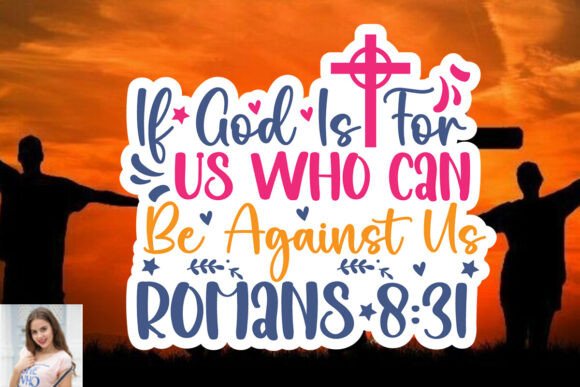
If God is for Us Who Can Be Against Us
A Designer's First Impressions of the Embroidery Design
When I first opened up the If God is for Us Who Can Be Against Us SVG file, I was immediately drawn to its bold and reassuring message. The design carries a strong sense of faith and confidence, which makes it ideal for projects that aim to inspire or uplift. Its layout is clean and centered, with well-spaced lettering that feels intentional rather than cluttered.
The overall mood is both professional and personal, making it suitable for a wide range of embroidery applications. It’s not overly ornate, but it still has enough detail to feel meaningful. This balance makes it a great choice for custom apparel, embroidered patches, or even personalized gifts that need to convey strength and positivity.
Real-Life Use: Creating a Custom Embroidered Tote Bag
Let me walk through a real-life scenario where I would use this design. Imagine preparing a custom embroidered tote bag for a boutique or a small shop. The If God is for Us Who Can Be Against Us design would look fantastic on a natural canvas tote. The size and clarity of the text make it easy to read from a distance, which is important for items like tote bags that are often seen in public spaces.
I’d start by testing the design on a scrap piece of fabric to see how the stitch density affects the overall look. Using a medium-weight stabilizer would help ensure that the embroidery holds up well after multiple washes. I’d also check the thread colors to make sure they contrast well with the fabric—especially if using a light-colored tote, black or dark blue thread would stand out nicely.
For a project like this, I’d recommend using a larger hoop size to allow for proper tension and stitching. The design isn’t too complex, so it should translate well into satin stitches and fill stitches without any issues. The result would be a finished product that looks professional and adds value to the customer’s experience.
Where This Design Works Best and Where to Use Carefully
The If God is for Us Who Can Be Against Us design performs exceptionally well on flat, non-stretchy fabrics such as cotton or canvas. It works beautifully on t-shirts, tote bags, pillow covers, and aprons. However, there are some situations where extra care is needed.
On smaller hoop sizes, the design might lose some of its clarity, especially if the text is reduced in scale. For curved surfaces like caps or hats, the design may require adjustments to fit the shape properly. Additionally, when using it on stretchy or textured fabrics, a good stabilizer becomes even more crucial to maintain the integrity of the embroidery.
Dark fabrics can also pose a challenge. While the design is legible on lighter backgrounds, using it on darker materials may require experimenting with thread colors to ensure visibility. If you're planning to use it on layered garments or products that will be washed frequently, double-check the stitch density to avoid puckering or fraying over time.
Design Impact on Visual Appeal and Product Value
One of the most important factors in any embroidery project is visual appeal. The If God is for Us Who Can Be Against Us design brings a sense of calm and assurance to any item it’s placed on. Whether it’s a baby onesie, a sweatshirt, or a holiday gift, the message resonates and adds emotional value to the finished product.
This kind of design can significantly boost customer trust and satisfaction, especially for handmade products or personalized gifts. When customers see a thoughtful and well-executed design, they’re more likely to view your work as professional and high-quality. For Etsy sellers or craft business owners, this can lead to increased buyer engagement and repeat sales.
It’s also an excellent option for branding. If you’re creating merchandise for a boutique or a small shop, using this design consistently across different products can help build brand recognition and loyalty among your customers.
Practical Embroidery Designer Notes
Before using the If God is for Us Who Can Be Against Us design in any real project, I always recommend testing it on scrap fabric first. This helps identify any potential issues with stitch density, thread color contrast, or fabric texture. Reviewing the design in black and white mockups can also be helpful to see how it translates on different backgrounds.
Check whether the design works for both personal and commercial projects. If you plan to sell finished items or digital products, confirm the licensing terms before proceeding. For those who are new to machine embroidery, starting with a simple design like this can be a great way to build confidence and skill.
Lastly, don’t forget to use the right stabilizer and hoop size for your specific project. These small details can make a big difference in the final outcome of your embroidery work.